

Blogs & News

Freehold vs. Leasehold Title Deeds in Kenya: Rates, Unexpired Terms, and Renewal Procedures
Are you buying permanent real estate equity with absolute ownership, or are you acquiring a time-bound property grant subject to government lease expiry?
Evaluating freehold vs leasehold title deeds in Kenya defines your legal tenure length, determines ongoing tax obligations, dictates non-citizen ownership eligibility, and impacts long-term bank financing options.
Understanding structural tenure differences, tracking unexpired lease terms, and executing a proactive leasehold title deed renewal procedure protects developer capital and secures generational land assets. Thus, citizen landholders must navigate constitutional boundaries to ensure land rights remain legally protected.
Absolutely, analyzing freehold vs. leasehold title deeds in Kenya before entering land purchase agreements protects you from severe legal pitfalls.

Ardhisasa Land Search 2026: A Step-by-Step Guide to Online Verification, Owner Consents, and Registry Fees
Are you risking your hard-earned capital on unverified title claims, or will you execute a secure digital search on Ardhisasa to confirm property ownership before transferring funds?
Conducting an Ardhisasa land search requires creating a verified citizen account, obtaining digital owner consent, paying official registry fees via ArdhiPay, and downloading a certified official search result.
Navigating the Ministry of Lands' digital portal correctly eliminates conveyancing fraud, verifies registered encumbrances, and aligns your overall commercial real estate development timeline with statutory legal requirements.
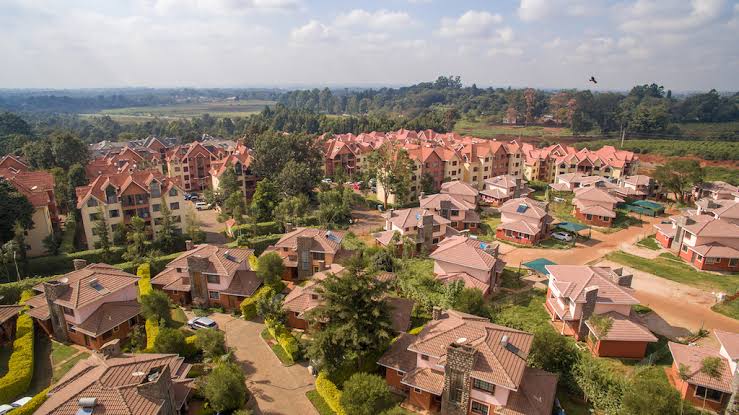
The Kenya Property Investment Map: Where Is the Next Growth Corridor?
Are you positioning your investment capital ahead of Kenya's next major infrastructure expansion, or are you buying land in saturated markets where appreciation has already hit a ceiling?
Identifying high-yield Kenya property growth corridors requires tracking major infrastructure expansions, monitoring urban spillover from Nairobi, and analyzing verified market transaction data rather than following speculative hype.
Remarkably, Kenya’s residential property prices surged by 4.8% year-on-year in Q1 2026, proving that strategic positioning along key expansion belts delivers immediate equity growth and active yields.

Why Some Properties Sell Fast While Others Stay on the Market for Years
If you owned a property valued at KES 100M on paper, would you know how to convert that asset into liquid cash when you need it most?
So that you know, property liquidity determines how rapidly you can sell real estate at fair market value without taking a steep price cut.
Evaluating title integrity, physical access, realistic seller expectations, and buyer pool depth protects your capital and aligns your portfolio directly with genuine market demand.

From Land to Income: How Investors Can Turn an Empty Property into a Business
Are you letting your vacant plot sit idle and eat up annual property taxes, or are you executing a clear plan to turn that bare soil into cash flow?
Monetizing empty land requires moving beyond passive holding by executing a structured eight-stage development value chain, which begins with initial feasibility and professional design and ends with construction and commercial operations.
Indisputably, transitioning from land ownership to business ownership unlocks active yield, aligns your property directly with genuine market demand, and builds sustainable wealth.

Buying Agricultural Land as an Investment: Acreage Alone Doesn't Make a Farm Valuable
Would you rather own 1,000 acres of dry, idle land that drains your bank account or 100 acres of fertile farmland producing constant cash flow?
A successful agricultural land investment depends on production potential and site infrastructure rather than raw acreage.
For this reason, evaluating soil quality, reliable water access, road connectivity, and local market demand protects your capital and aligns your portfolio directly with genuine economic returns.

Finding Property Hotspots in Kenya: How to Spot High-Growth Land Corridors Early
What allows smart investors to buy land in a quiet node for peanuts right before prices jump by 400 percent?
Spotting emerging real estate markets early requires evaluating eight core growth indicators, including infrastructure, population influx, job drivers, commercial activity, transport networks, public spending, land scarcity, and current entry prices, rather than chasing market rumours.
Mastering this evaluation framework equips you to identify property hotspots before speculative price spikes occur, aligning your capital directly with genuine economic expansion.
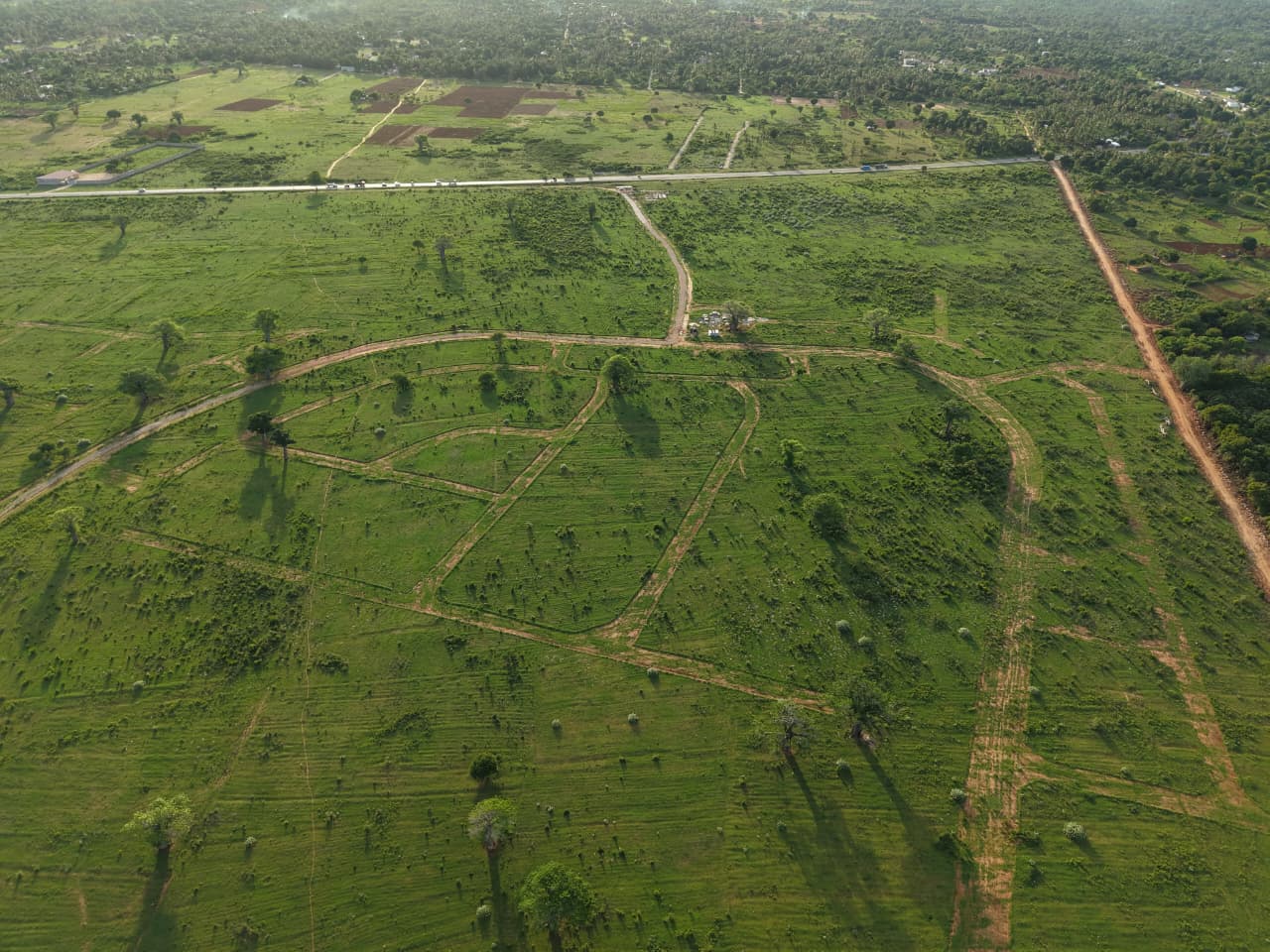
Land Banking in Kenya: Does Buying Land and Waiting Actually Work?
Are you buying land or are you buying a future market?
Land banking in Kenya works when you purchase undeveloped acreage in the direct path of verified infrastructure growth. But sitting on illiquid plots without a clear development strategy drains capital through holding costs and inflation.
For your information, successful land banking requires moving beyond simple speculation by evaluating location fundamentals, holding expenses, and urban expansion patterns to align your portfolio with genuine market demand.
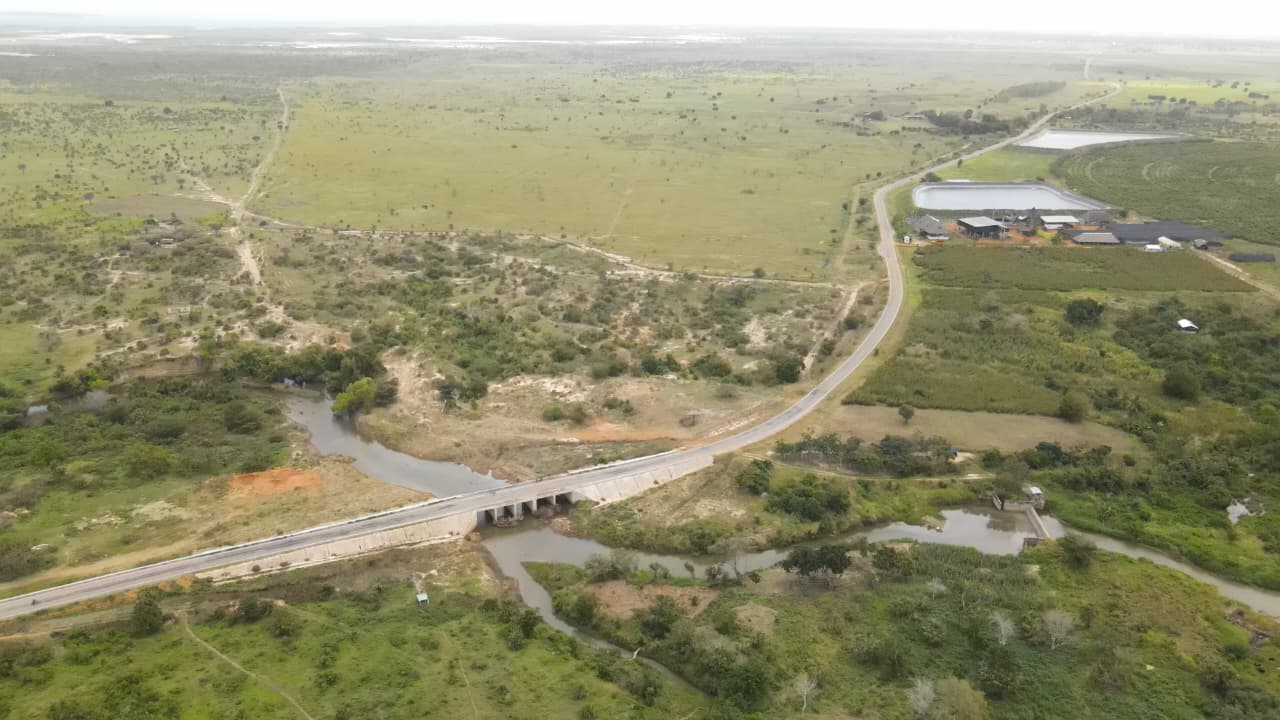
Infrastructure Impact on Land Value: How Transport and Utilities Drive Property Appreciation
What makes one piece of land surge in value by 300% in three years while a similar plot just ten kilometers away barely moves in price?
Infrastructure projects, such as dual-carriageway bypasses, standard-gauge railway hubs, power grid connections, and water pipeline networks, directly drive land value by reducing transit times, increasing commercial utility, and unlocking dense urban development.
When you understand how major public transit and utility corridors reshape regional demand, you can easily spot genuine property appreciation drivers to position your capital safely alongside verifiable growth corridors.

Beachfront Property vs. Beach-View Property: Which Is Actually the Better Investment?
If you are preparing to deploy capital along the Kenyan coast, do you know whether a prime beachfront plot or an elevated beach-view parcel will actually generate higher long-term wealth?
Choosing between a beachfront property and a beach-view plot requires balancing higher rental yields and immediate water access against elevated acquisition costs, severe salt corrosion, and strict high-water mark development setbacks.
When you evaluate location scarcity, acquisition premiums, and operational maintenance, you maximize coastal real estate ROI while staying aligned with long-term financial growth.
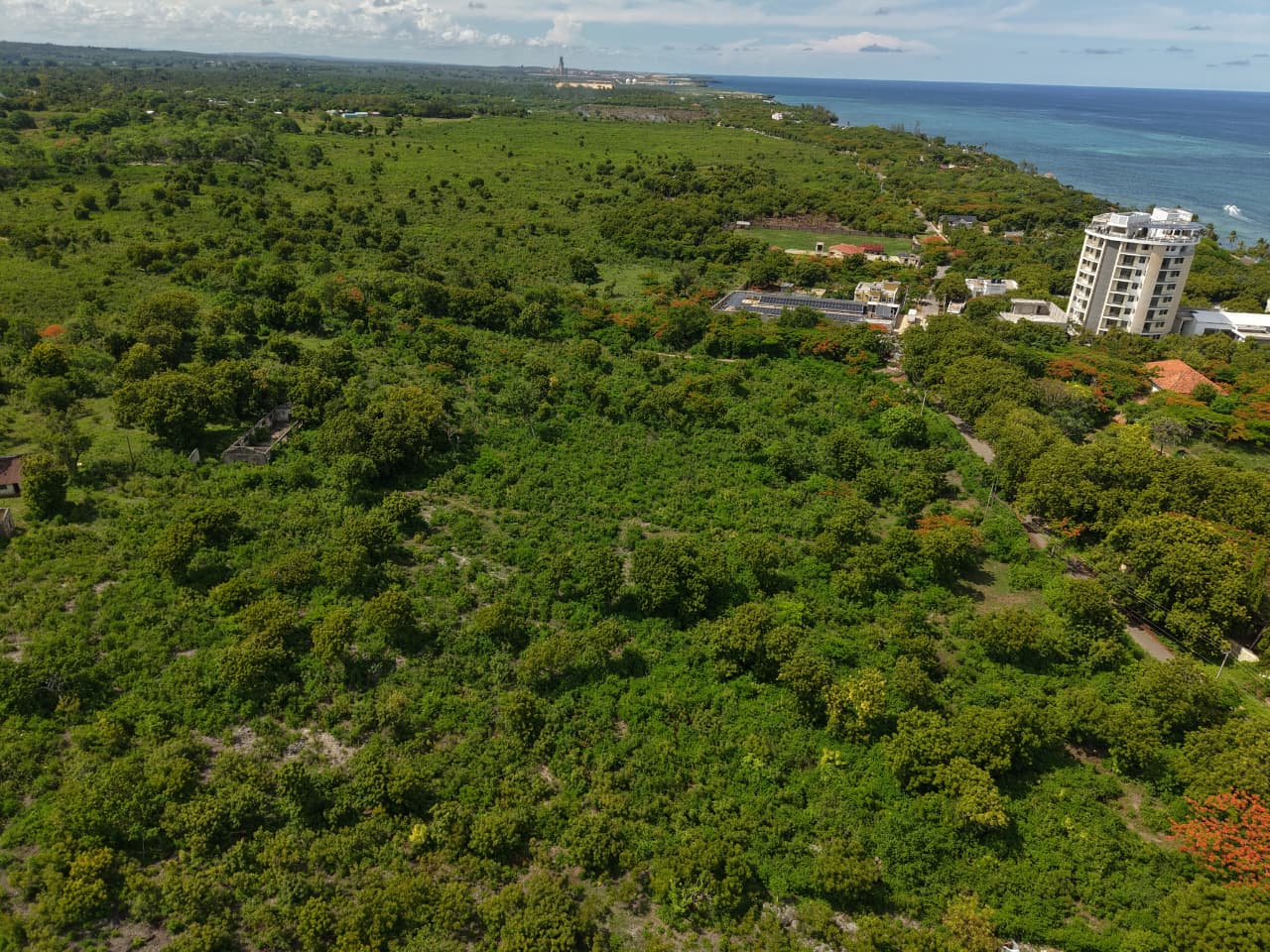
Buying Coastal Property in Kenya: What Investors Must Check Before Paying
If you are preparing to hand over millions of shillings for a prime plot near the Indian Ocean, do you know whether high-water mark setback regulations or salt corrosion will destroy your building plans before groundbreaking?
Securing a high-performing coastal property investment in Kenya requires verifying high-water mark legal setbacks, title tenure types, water salinity, access rights, and structural protection against marine erosion.
When you navigate coastal land restrictions and title tenure models, you protect your real estate capital while positioning your project for long-term growth.
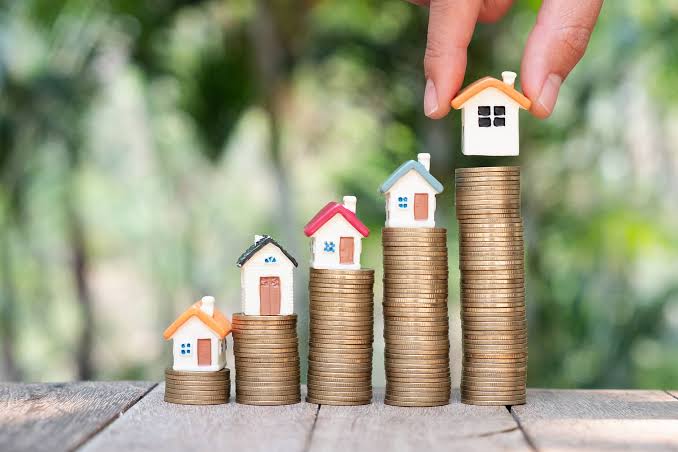
Rental Property in Kenya: What Makes a Property Produce Strong Rental Income?
Why do two property owners in Nairobi who spend the same KES 10 million on construction end up with vastly different bank accounts at the end of the year, with one enjoying 95% occupancy while the other struggles to collect half their monthly rent?
Truthfully, high rental income from a rental property in Kenya relies on matching unit layouts and amenities to actual tenant demand, proximity to key economic hubs, and low maintenance overhead.
If you own a rental property, identifying the structural and locational drivers of cash flow allows you to eliminate long vacancies while positioning your capital for steady returns.
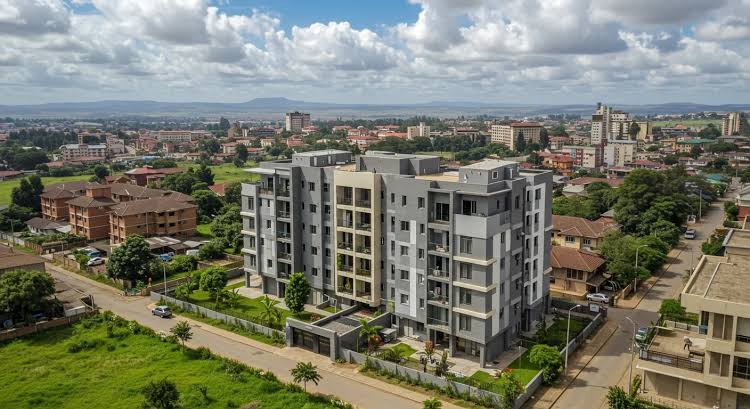
How to Calculate the Real Return on a Property Investment in Kenya
When evaluating a plot or rental unit in Kenya, are you relying on vague promises that "the area will appreciate," or are you calculating every transaction fee, construction cost, and vacancy risk to find your net yield?
Calculating real estate ROI in Kenya requires adding all acquisition costs, capital expenditures, financing interest, and holding fees together before measuring net rental yields and inflation-adjusted resale values.
Regardless of your level of investment, running a comprehensive property investment financial calculation protects your capital from hidden cash leaks while keeping your money active.

The Diaspora Property Trap: Why Sending Money to Family Is Not a Property Investment Strategy
If you are wiring millions of shillings based on a relative’s word that a plot is clean, how do you prove that your money is actually securing a valid title deed rather than funding a family member's personal expenses?
Relying on family connections without independent legal checks creates significant financial exposure to risks in diaspora property investments.
As a Kenyan in the diaspora looking to invest back home, you must understand that sending investment money to family is not a viable strategy because it replaces professional verification with emotional trust.
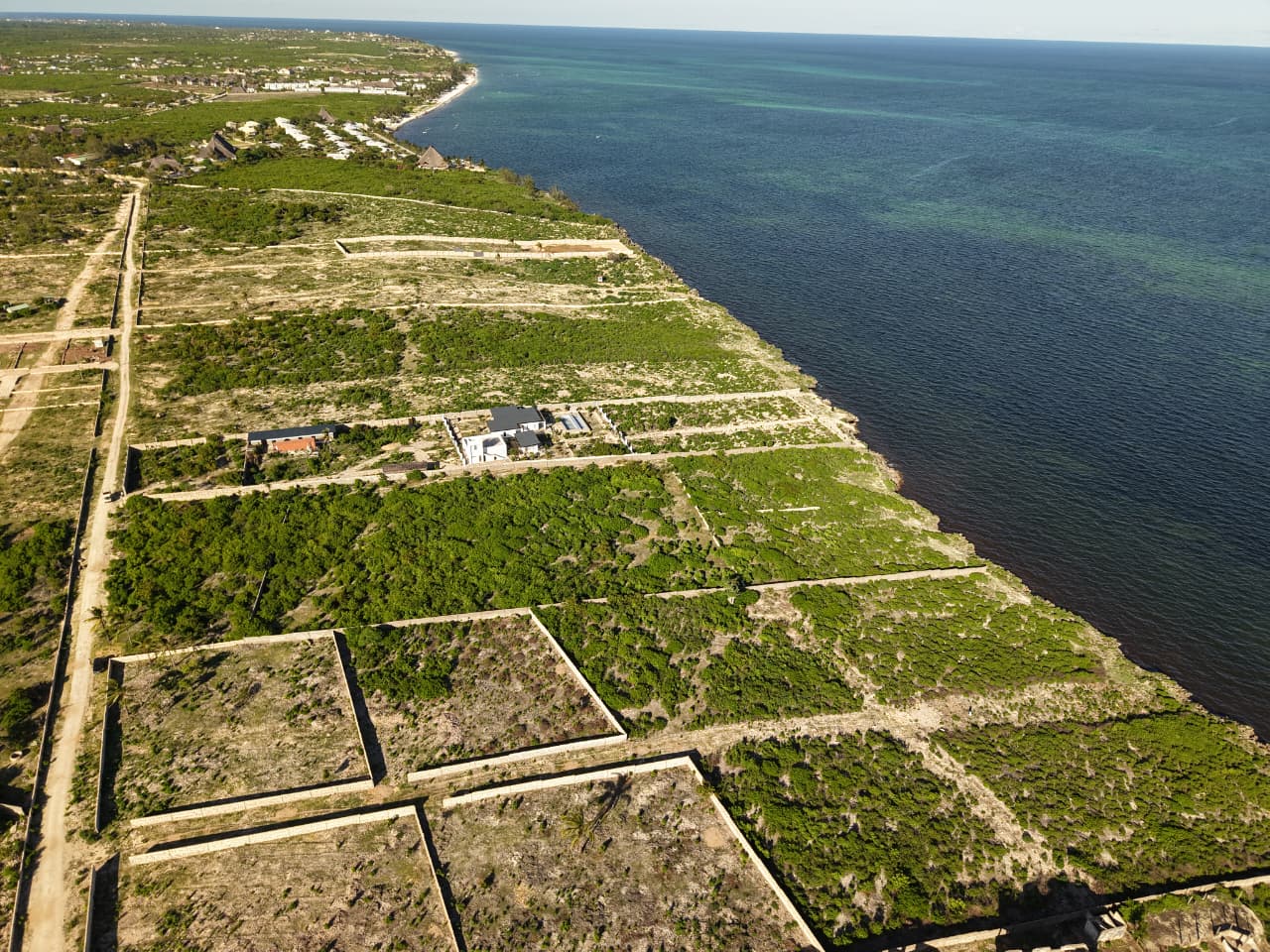
Buying Property in Kenya from the Diaspora: How to Invest Without Being Physically Present
If you are wiring millions of shillings from abroad to purchase land in Kenya, how do you prove that the parcel actually exists and that the seller holds a genuine title deed?
Successful diaspora property investment in Kenya relies on independent legal verification, digital land searches via Ardhisasa, third-party site inspections, and controlled power-of-attorney protocols.
Thus, adopting a disciplined framework for remote real estate investing eliminates information asymmetry and protects your hard-earned capital from costly fraud.

How Much Land Do You Actually Need to Build Wealth in Kenya? Finding Your Profitable Land Size
Why do so many land buyers in Kenya tie up millions of shillings in vast, unserviced acreage that yields zero income when a single urban plot could generate immediate, recurring wealth?
Effective land wealth building depends on land utility, strategic location, and development yield. Not sheer geographical size.
Hands down, matching your financial strategy to a profitable land size protects your capital from heavy holding costs while positioning your portfolio for maximum capital growth.
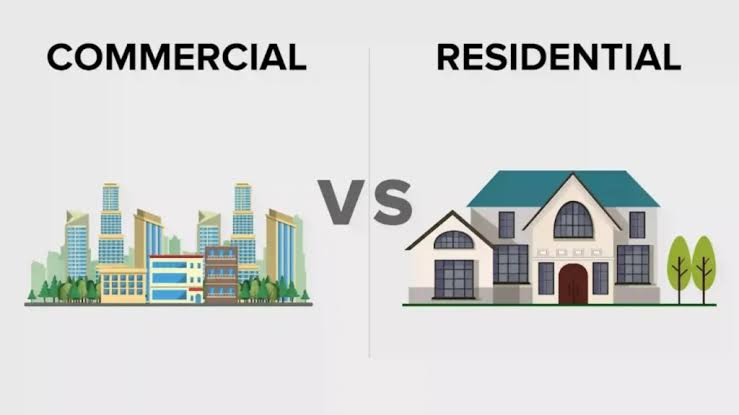
Should You Buy Land, a House, an Apartment, or Commercial Property? A Strategic Comparison
If you have capital ready to deploy in Kenya today, how do you determine whether buying raw land or acquiring a rent-yielding apartment builds wealth faster?
Choosing among raw land, residential homes, apartments, commercial buildings, agricultural plots, or hospitality real estate requires aligning your investment horizon with capital availability and cash-flow targets.
In addition, conducting a rigorous property-type comparison unlocks high-yield real estate investment strategies that protect your capital while positioning your portfolio for maximum asset growth.
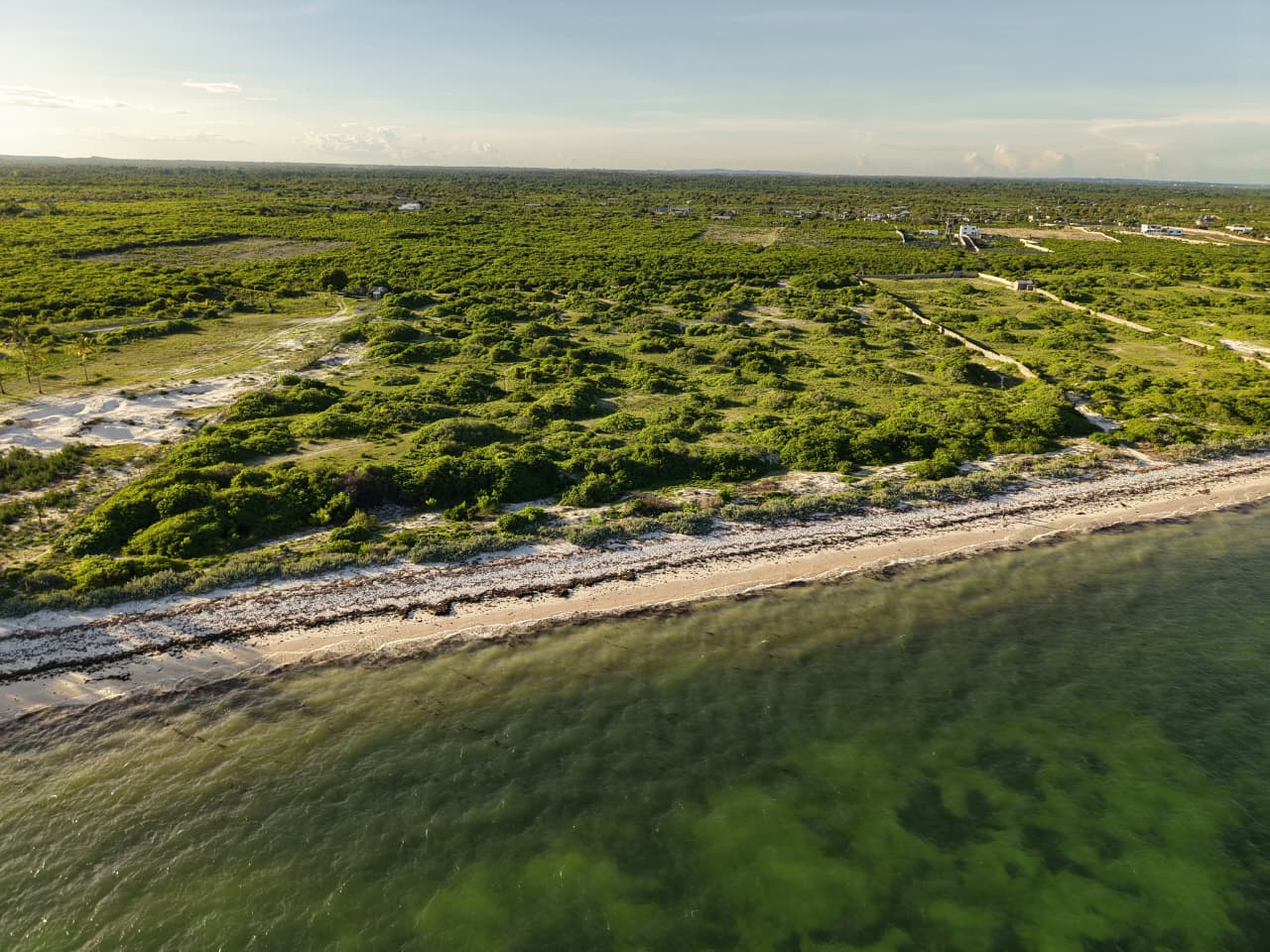
Land Appreciation in Kenya: What Actually Makes Property Prices Rise?
Why does raw land in a quiet trading center suddenly surge in value over five years, while a plot just a few kilometers off the main road sits at the same price for a decade?
Land appreciation in Kenya is driven by a compounding chain reaction: public infrastructure expansion, commercial activity, population inflow, heightened buyer demand, and physical land scarcity.
Understanding the core property value drivers in Kenya protects your capital from speculative marketing hype and ensures that your investments generate true wealth.
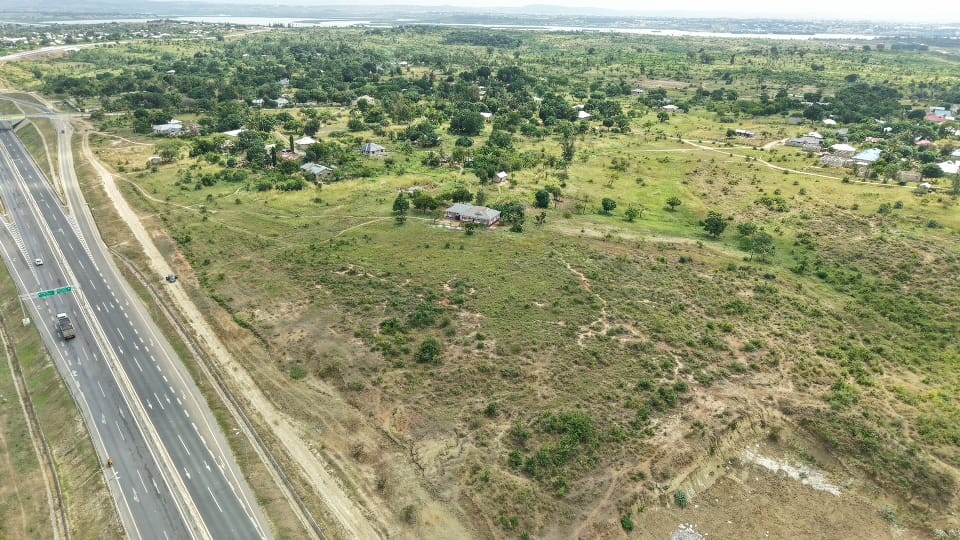
Cheap Land vs. Valuable Land: Why the Cheapest Acre Is Often Not the Best Investment
Is the cheapest plot you can find in Kenya really the best investment – or is the low price telling you something you have not discovered yet?
Truthfully, a KES 500,000 parcel in an unserviced hinterland often destroys capital, whereas a KES 5,000,000 plot in an active development corridor yields immediate wealth. Real land investment value depends on access roads, utility grid connections, zoning laws, and tenant demand. Not price per acre.
Thus, evaluating land investments requires looking past initial purchase price discounts to analyze long-term utility, infrastructure access, and market liquidity.

Buy Land in Kenya in 2026: The Ultimate Location & Economic Growth Roadmap
What makes one piece of land in Kenya double in value over three years while another plot just ten kilometers away stays completely stagnant?
Choosing where to buy land in Kenya in 2026 requires evaluating five core growth drivers: major transport infrastructure, population expansion, local economic activity, water and power grid access, and county zoning bylaws.
Read through Kenya land investment guide to protect your capital from speculative traps and position your portfolio in high-yield growth corridors.

Stay Updated on New Properties
Subscribe to our newsletter and be the first to know about new listings, market trends and exclusive offers.